

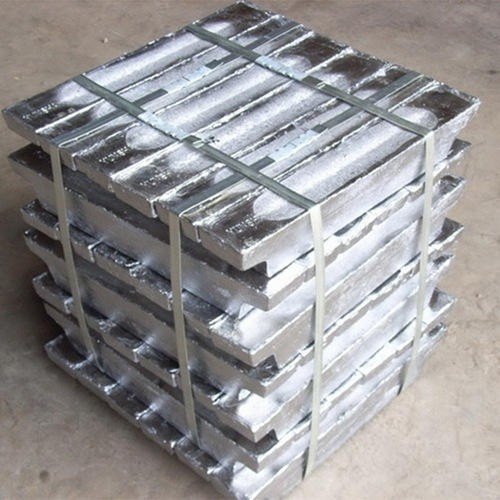
Lead, a versatile and durable metal, has been a cornerstone of industrial applications for centuries. Its unique properties, such as corrosion resistance and malleability, make it essential in various forms, including refined lead ingots, red lead, calcium lead alloy, and antimony lead alloy. In this blog, we explore these critical lead-based products, their production, and their wide-ranging applications in today’s industries.
Refined Lead Ingots: The Foundation of Lead Products
Refined lead ingots are the purest form of lead, typically produced through smelting and refining processes to achieve high purity levels, often exceeding 99.9%. These ingots serve as the raw material for many lead-based products and are valued for their consistency and quality. The refining process removes impurities, ensuring the lead meets stringent industry standards for applications such as:
- Battery Manufacturing: Refined lead ingots are a primary component in lead-acid batteries, widely used in automotive and renewable energy storage systems.
- Construction: Lead’s durability makes it ideal for roofing, flashing, and radiation shielding in medical and nuclear facilities.
- Cable Sheathing: Its corrosion resistance protects underwater and underground cables.
The production of refined lead ingots involves extracting lead from ores like galena, followed by smelting and electrolytic refining. This ensures the metal is free from contaminants, making it suitable for specialized alloys and other high-purity applications.
Red Lead: A Vibrant Industrial Compound
Red lead, chemically known as lead tetroxide (Pb₃O₄), is a bright red or orange powder produced by heating lead or lead monoxide in the presence of oxygen. Its unique chemical properties make it indispensable in several industries:
- Paints and Coatings: Red lead is a key ingredient in anti-corrosive primers, particularly for steel structures like bridges and ships, due to its ability to inhibit rust.
- Ceramics and Glass: It enhances the durability and color of glazes and glass products.
- Batteries: Red lead is used in the positive plates of lead-acid batteries, improving their performance and longevity.
The production of red lead requires precise control to achieve the desired particle size and purity, ensuring its effectiveness in these applications. Its vibrant color and chemical stability make it a preferred choice for protective coatings and energy storage solutions.
Calcium Lead Alloy: Enhancing Battery Performance
Calcium lead alloy is a specialized alloy created by adding small amounts of calcium to lead, typically used in the production of maintenance-free lead-acid batteries. This alloy improves the mechanical strength and corrosion resistance of battery grids, offering several advantages:
- Reduced Water Loss: Calcium lead alloy minimizes gassing in batteries, reducing the need for frequent water top-ups.
- Improved Durability: The alloy enhances the structural integrity of battery plates, extending battery life.
- Applications: It is widely used in automotive batteries, uninterruptible power supplies (UPS), and renewable energy storage systems.
The addition of calcium also reduces the need for antimony, making calcium lead alloy batteries more environmentally friendly and efficient. This alloy is critical in meeting the growing demand for reliable, low-maintenance energy storage solutions.
Antimony Lead Alloy: Strength and Versatility
Antimony lead alloy is another widely used lead-based material, created by alloying lead with antimony to enhance its hardness and strength. This alloy is particularly valued in applications requiring robust and durable materials:
- Battery Grids: Antimony lead alloy is used in deep-cycle batteries, such as those in electric vehicles and marine applications, due to its ability to withstand repeated charging and discharging cycles.
- Ammunition and Cable Sheathing: The alloy’s strength makes it suitable for bullet production and protective cable coverings.
- Industrial Components: Its enhanced mechanical properties are ideal for bearings and other heavy-duty applications.
The production of antimony lead alloy involves carefully controlled alloying processes to achieve the desired antimony content, typically between 1-10%, depending on the application. This alloy’s versatility makes it a staple in industries requiring strong, corrosion-resistant materials.
The Role of Lead Products in Sustainable Industry
The use of refined lead ingots, red lead, calcium lead alloy, and antimony lead alloy underscores the importance of lead in modern manufacturing. These materials support critical industries, from renewable energy to infrastructure, while ongoing innovations in recycling ensure lead remains a sustainable resource. For instance, over 90% of lead-acid batteries are recycled, reducing environmental impact and conserving resources.
As industries evolve, the demand for high-quality lead products continues to grow. By leveraging the unique properties of these materials, manufacturers can develop durable, efficient, and environmentally conscious solutions for the future.
In conclusion, whether it’s the purity of refined lead ingots, the protective qualities of red lead, or the enhanced performance of calcium lead alloy and antimony lead alloy, lead-based products remain integral to industrial progress. Their versatility and reliability ensure they will continue to play a vital role in shaping a sustainable and technologically advanced world.